
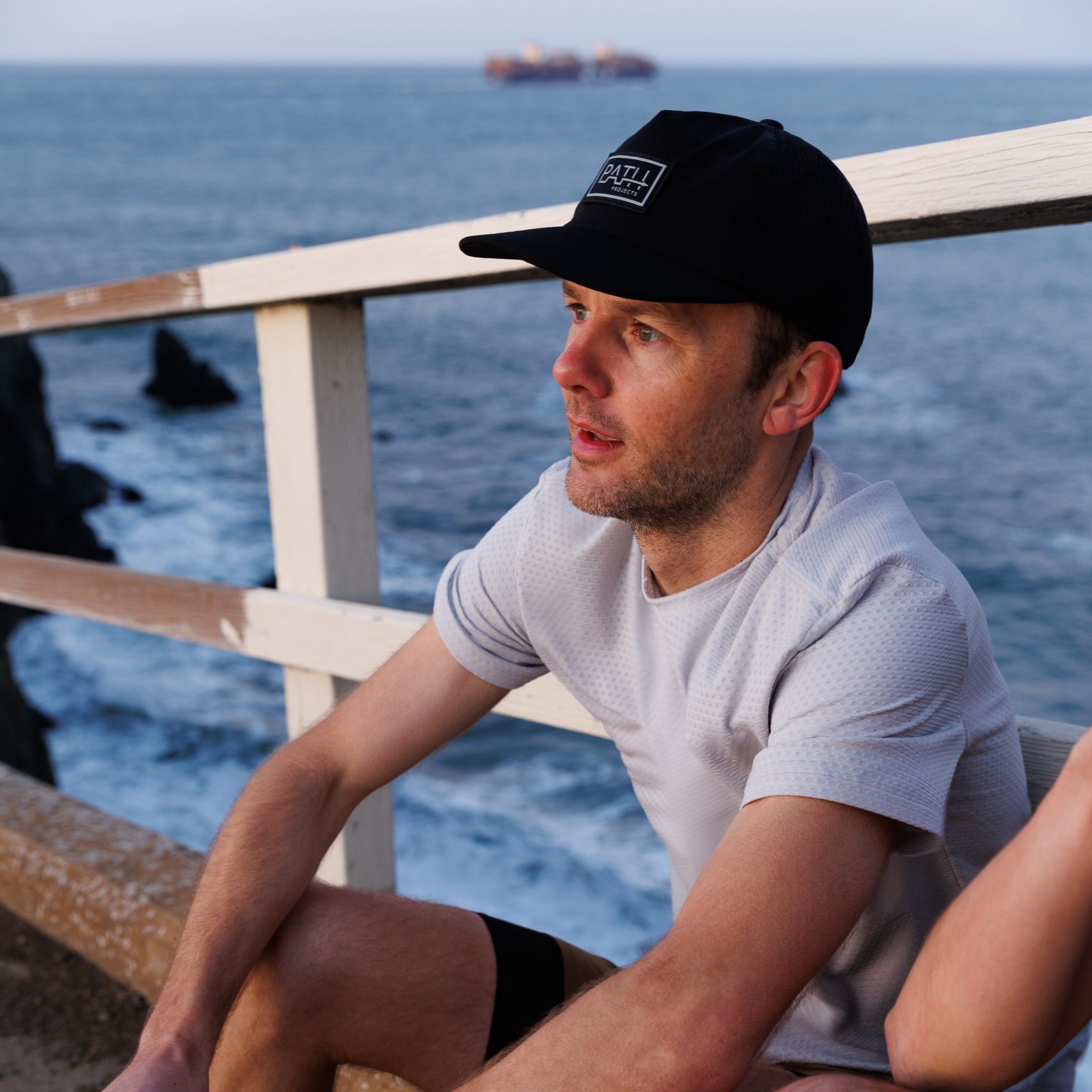
“The basic technique could not be more simple. It’s you, sitting on this earth, breathing. The objective is to notice how and who you are right now, from moment to moment.” — Susan Piver on Extramilest Show #6
Hi, I used to think meditation wasn’t for me…
I thought it was all about sitting still and thinking about nothing, which seemed impossible. But I realized that it’s not about stopping thoughts but about observing them and letting them pass without judgment.
Why Should Runners Meditate?
Running is an activity that builds endurance, strength, and speed. But running also has an important mental component that can significantly impact performance and well-being. Training your mind is just as important as training your body.
Meditation is more than just sitting quietly with your eyes closed. This practice trains the mind to focus, relax, and become more aware of the present moment. For runners, these mental skills translate into significant benefits:
Mental Clarity and Focus
- Maintains concentration during long runs when fatigue sets in
- Helps you stay present with your running form
- Improves pacing by increasing awareness of effort
Reduced Stress and Anxiety
- Calms pre-race nerves and performance anxiety
- Lowers overall stress levels, improving recovery
- Creates a more positive relationship with running
Improved Body Awareness
- Heightens awareness of running form and potential compensations
- Helps identify early warning signs of injury
- Improves running economy through better body awareness
Recovery Support
- Promotes relaxation after intense training
- Lowers cortisol levels, improving recovery time
- Enhances sleep quality, a critical component of recovery
In my own practice, meditation has significantly improved my ability to stay present during long runs.
In the past, my thoughts would drift all over the place, but now I can bring my focus back to my breath and my body, which helps me maintain a steady pace and relaxed running form.
A Simple 5-Day Meditation Plan for Runners
Start with just 5 minutes daily:
Day 1: Breath Focus – Sit comfortably and simply count your breaths. Inhale for 4 counts, hold for 2, exhale for 6. Repeat for 5 minutes.
Day 2: Body Scan – Focus on each body part from feet to head, noticing sensations without judgment. Perfect for identifying subtle tension patterns.
Day 3: Running Visualization – Imagine yourself running with perfect form, breathing easily, moving effortlessly.
Day 4: Gratitude – Focus on three things you appreciate about your running journey.
Day 5: Open Awareness – Notice thoughts without attachment, like watching clouds pass overhead.
Do this before or after your run, or anytime you have 5 minutes. Consistency matters more than duration.
Make Meditation Part of Your Runs
Meditation doesn’t have to be a separate activity. You can integrate it directly into your running routine:
Running as Moving Meditation:
- Choose a specific segment of your run (5-10 minutes)
- When your mind wanders, gently bring it back to physical sensations
- Try matching your breath to your footsteps (3 steps inhale, 3 steps exhale)
Susan Piver, a meditation teacher and founder of the Open Heart Project, suggests making your body the object of meditation while running: “Place your attention on your body — what it feels like when your feet hit the ground, when the air is on your skin. Just focus on some aspect of what you’re doing.”
Overcoming Common Obstacles
“I don’t have time to meditate.”
- Start with just 2 minutes. Everyone has 2 minutes.
- Combine it with something you already do, like your warm-up or cool-down.
“My mind is too active to meditate.”
- That’s exactly why meditation will help you. The goal isn’t a quiet mind; it’s noticing when your mind is busy.
- Start with guided meditations that give your mind something to focus on.
“I tried it once and it didn’t work.”
- Meditation is a practice that improves over time, just like running.
- Commit to 10 sessions before deciding if it’s helpful.
Practical Tips for Starting a Meditation Practice
Start Small: Begin with just five minutes a day. Even short sessions can have a big impact over time.
Use Guided Meditation: Apps like Calm or Headspace offer runner-specific meditations.
Experiment with Timing: Morning meditation sets a calm tone for the day, but meditating post-run can enhance recovery.
Create a Trigger: Link meditation to an existing habit, like putting on your running shoes or drinking your post-run recovery drink.
I start my day with a short meditation session, often on the balcony, while my family is still asleep. It’s become a vital part of my daily routine. Meditation helps me start the day in a calm state, which carries over into my running and daily life.
The Long-Term Impact
After meditating consistently for a while, I started noticing intense moments of being present. I could almost zoom out and observe the whole room during a meeting, not just from my own viewpoint but as an outside observer. It was a strange but powerful experience.
This heightened awareness and presence can translate into better decision-making during races, improved performance, and a deeper connection with the running experience.
Remember: Meditation gives runners a powerful tool to enhance mental and physical wellbeing. Start with just 5 minutes daily, be patient with yourself, and notice how this simple practice enhances not just your running, but your entire day.
Cheers,
Floris Gierman
P.S. Want to explore how meditation fits into a complete training approach?
In our Personal Best Program, we integrate mental training alongside physical training because we’ve found that runners who develop both perform better and enjoy running more!
In our PB community, members share how practices like meditation have transformed not just their running, but their daily lives. If you’re ready to train smarter (not just harder) with a supportive community of like-minded runners, check out PBprogram.com – we’d love to help you develop both the mental and physical sides of your running journey.
